Tips and tricks for every pizza lover
Pizza is more than just a meal - it is an international symbol of joy, social gatherings, and culinary craftsmanship. International Pizza Day, celebrated with grandeur all over the world, is the perfect opportunity to get closer to the art of creating this unique dish in the comfort of your own kitchen. Why is it worth preparing pizza at home yourself? It is not only a way to personalize your favorite dish but also an opportunity for cooking together with family and friends.
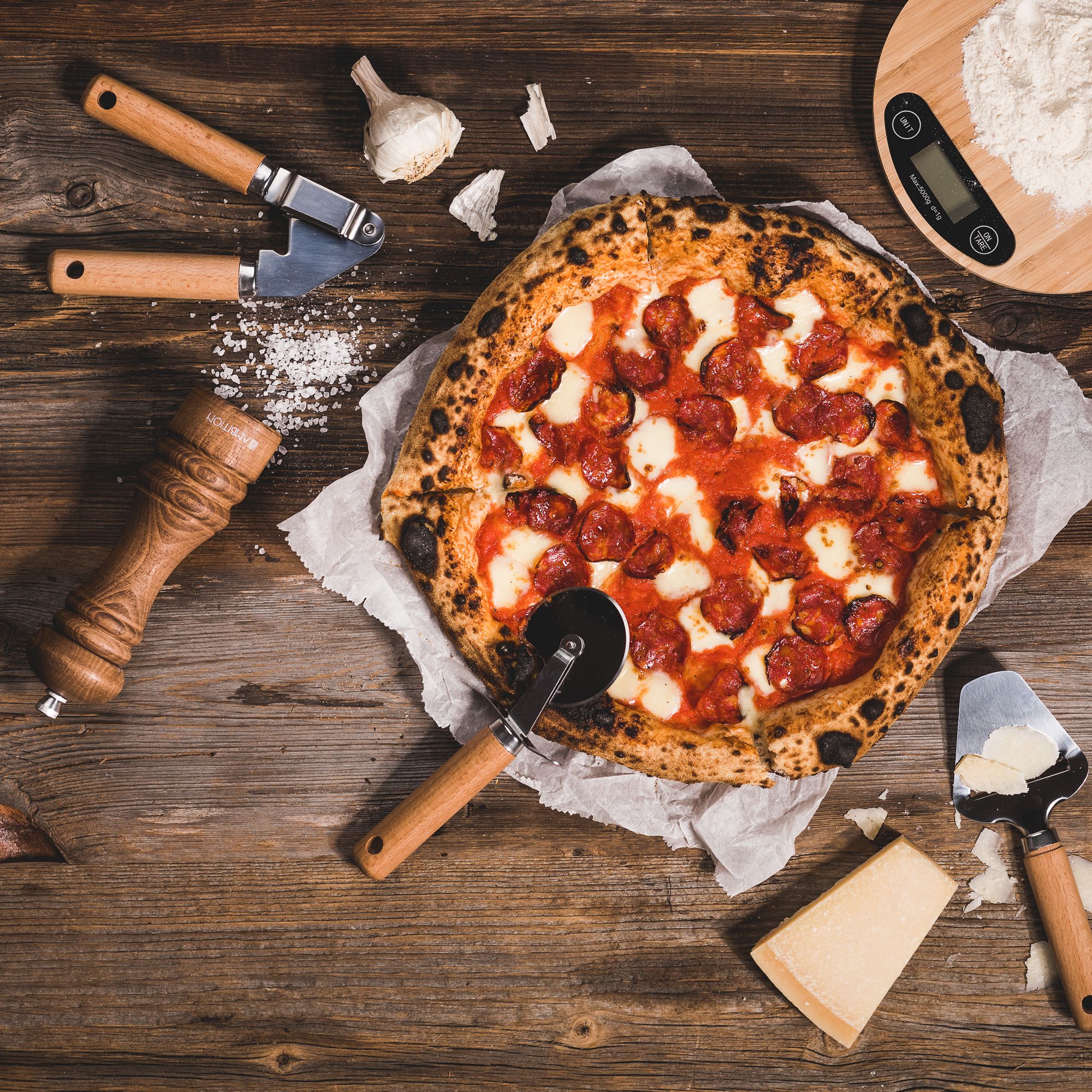
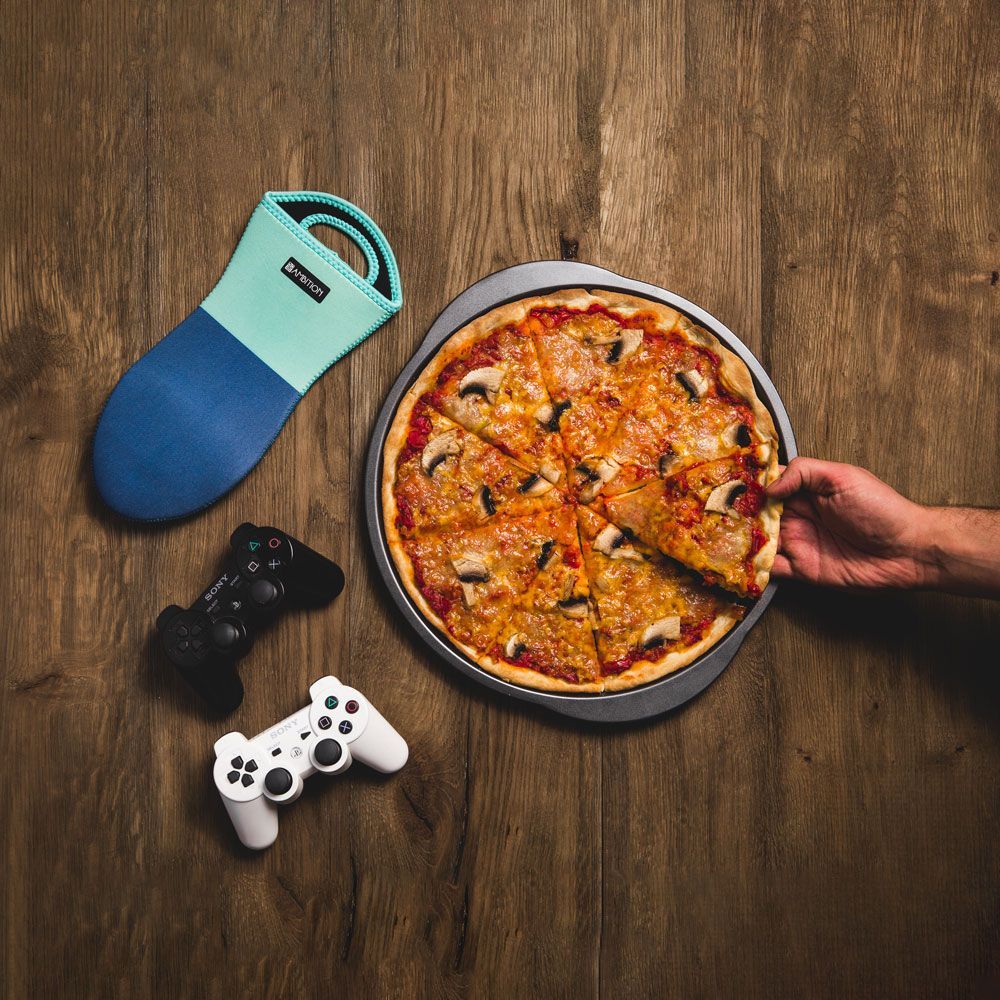
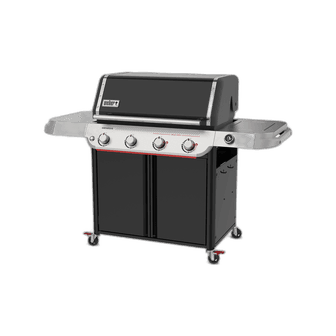
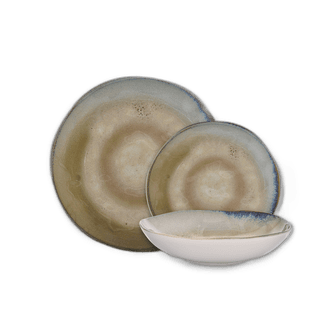
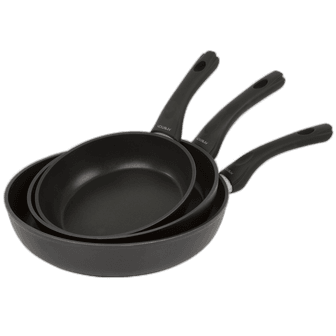
Preparing the perfect pizza at home requires not only the right selection of ingredients but also several practical tools. These kitchen accessories will help you create and serve pizza like from the best pizzeria:
Preparing pizza dough at home is a process that combines simplicity and culinary art, and additionally can be a wonderful opportunity to celebrate it with loved ones. Start by mixing flour with yeast, adding warm water to activate the yeast. It is worth adding a pinch of sugar, which will help the yeast in fermentation. Next, pour in olive oil and add salt, which will provide the dough with elasticity and flavor. Once the ingredients are combined, an important step is kneading the dough. This process requires patience and strength – well-kneaded dough should be smooth and elastic. After kneading, the dough should be left to rise in a warm place, covered with a cloth, so it can double in volume.
The dough, after the rising time, becomes an ideal base for further work. It is worth remembering that the rising process itself is very important – this is when the gluten develops its structure, which translates into the texture and taste of the finished pizza. After rising, it is best to gently roll out the dough on a previously floured surface, trying to maintain its elasticity and fluffiness. At this point, the dough is ready for further preparation and baking, creating the perfect base for your homemade pizza.
Ingredients on a pizza should be arranged starting with spreading a thin and even layer of tomato sauce on the prepared dough, leaving a free edge about 1 cm wide. The sauce should not be too abundant, so as not to soak the dough, but sufficient to cover every piece. Remember that the sauce is the foundation of flavor, so its quality is of great importance - that's why it's worth trying to prepare it yourself. Next, we can spread the cheese, preferably mozzarella, evenly over the entire surface of the pizza. After the cheese, we arrange other ingredients. It is important not to overdo their quantity, as an excess can cause the pizza to be wet and heavy. Ingredients should be distributed evenly so that every piece of pizza has a similar taste and texture. When using ingredients that can release a lot of water (such as fresh tomatoes or mushrooms), it is worth lightly frying them beforehand or draining them of excess liquid. This will prevent the dough from getting soggy. Finally, you can sprinkle the pizza with herbs and spices, such as oregano, basil, or garlic, to enrich its flavor. Arranging ingredients on a pizza is a process that allows for creative experiments, so don't be afraid to try different combinations and flavors. It is important to maintain a balance and harmony of ingredients so that every bite is full of flavor and pleasure.
Mushrooms for pizza do not have to be fried beforehand; we can use fresh ones. However, remember that they contain a lot of water, which can be released during baking, making the pizza wetter and less crispy, and the frying process allows for the removal of excess water from them.